




Leg Pain at Night

Leg pain and cramping at night can have an impact on your sleep patterns and affect your daily routine, especially if the pain is keeping from getting restful sleep. Read on to learn more about what might cause your leg pain at night and what you can do about it.
Key Takeaways
- Nighttime leg pain and cramps can result from various causes, including muscle fatigue, dehydration and certain medical conditions.
- Lifestyle adjustments such as stretching, hydration, and proper sleep habits may help prevent or reduce symptoms.
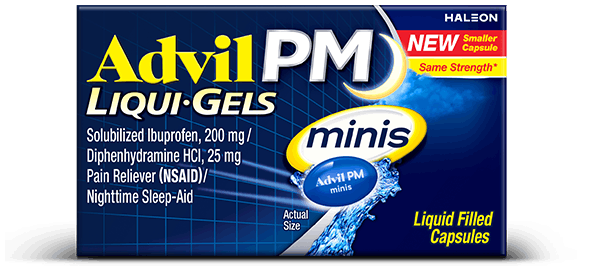
- Get fast pain relief and sleep the whole night with Advil PM Liqui-Gel Minis.
Why Do People Experience Leg Aches and Cramps at Night?
The exact cause for leg pain at night may vary from person to person, but may be attributed to muscular fatigue, nerve dysfunction, and other medical conditions.1 In many cases, nocturnal leg cramping and pain is considered idiopathic, which means there’s no known cause.1,2
Potential Causes of Nighttime Leg Cramps and Pain
There are many theories about what’s responsible for cramping and leg pain at night:
- Muscle Fatigue: Exercise research suggests that high intensity exercise is associated with leg cramps in endurance athletes.1
- Nerve Issues: Involuntary nerve charges may lead to pain or cramps.3
- Pregnancy: About 40% of pregnant people experience cramps during their pregnancy; healthcare providers believe that leg muscles may be strained due to additional pregnancy weight.3
- Age: 33% of adults older than 60 will experience a nighttime leg cramp at least once every two months.3
- Dehydration4,6
- Electrolyte Imbalance4
Health Conditions Associated with Cramping and Leg Pain at Night
Nighttime leg cramping and pain, especially in the calves and feet are often associated with these more serious conditions:2,3,6
- Kidney failure: when one or both kidneys no longer work correctly
- Diabetes: a condition that prevents the body from properly using energy from the food you eat
- Peripheral Artery Disease: a narrowing of the arteries in your legs and arms
If you suspect that your leg pain at night is associated with a more serious condition, or it occurs or does not resolve with treatment, speak to your healthcare provider right away.
Medications That Cause Leg Pain at Night
While muscle cramps are reported as an adverse reaction for lots of medications, only a few drugs may cause leg-specific cramping and pain:1,3
- Intravenous iron sucrose
- Raloxifene
- Naproxen
- Teriparatide
- Conjugated estrogens
Additionally, some diuretics, drugs that are intended to control seizures, medications that treat insomnia and some SSRIs may cause leg pain as a side effect.3
What Does Leg Pain at Night Feel Like
A leg cramp can feel as though your muscle has become clenched or tightened into a knot.3 They can be painful and incapacitating, lasting an average of 9 minutes per episode, which may then be followed by residual pain that can last for hours.1,3
What Is a Charley Horse?
A charley horse is another term for a muscle spasm or cramp, commonly referring to the ones that occur in the leg.5,6 In these instances, a muscle will tighten without your conscious control and won’t relax, causing pain.5
What’s the Difference Between Restless Leg Syndrome and Leg Pain?
Restless leg syndrome is an irresistible urge to move or shake the legs; it’s not associated with pain or tight muscles.1,2
Types of Leg Pain You May Experience at Night
Different types of leg pain while sleeping include:1,3
- Calf pain at night – a painful tightening during the night that can lead to disrupted sleep is fairly common
- Foot pain – cramping muscles may lead to movement, like extreme flexion of the foot, leading to pain
- Pain in thighs – muscle spasms may happen in your thigh during the night, and due to the size of the muscles, may disrupt your sleep
Pain at Night and Disrupted Sleep
One theory is that pain is often worse at night because the lack of movement and daytime activities and distractions can make pain feel more noticeable while you’re in bed.7 Nighttime leg pain flare ups can be particularly noticeable when they disrupt your sleep; they may lead to sleep deprivation and an increase in the production of cytokines (which are part of the body’s inflammatory response) which increases sensitivity to pain.7
Treating Pain in Legs at Night
Managing leg pain at night may be preventative or reactionary, depending on how or how often you experience it.
Preventing Leg Cramps and Pain
Try these tips to help reduce leg pain at night that disrupts your sleep:1,3,4,7
- Stretching forcefully is thought to inhibit cramps
- Mild exercise before bed, like going up and down stairs, may keep your leg muscles from spasming
- Vitamins like magnesium have helped pregnant women manage of leg pain
- Sleeping position can make a difference; try sleeping on your side with a pillow between your legs to reduce strain on your knees and hips
- Stay hydrated during the day and avoid alcohol and caffeine
- Relax before bed: spending 20 minutes before bedtime being focused on relaxation can decrease cortisol levels and slow both the heart and breathing rates
How to Get Rid of Leg Pain at Night: Home Remedies
If leg pain at night has disrupted your sleep, you’ll want to deal with it immediately. Try these tips to break through the spasm and find relief:3,6
- Stretch your leg
- Massage the tensing muscles
- Move around
- Apply heat or cold to the affected area
Another option when leg pain at night keeps you awake is to try an over-the-counter option like Advil. Advil PM Liqui-Gel Minis deliver fast pain relief so you can sleep through the whole night and feel rested the next morning.* They’re non-habit forming, melatonin free and nothing’s been proven stronger on annoying nighttime aches and pains.
When to See a Doctor About Leg Pain at Night
See a healthcare provider if the pain becomes unbearable, happens frequently or lasts for a long time.4 Contact your doctor if any of the following other conditions arise:3,6
- The leg experiencing the pain is red and swollen
- The pain is accompanied by a fever
- Your leg is black and blue
- The pain worsens when you move and improves with rest
Your leg pain may be indicative of an underlying medical condition, and you should seek medical attention.
Nighttime leg pain and cramps are common and may stem from fatigue, dehydration, or underlying conditions. Preventive steps like stretching, hydration, and good sleep habits can help, while home remedies may ease sudden pain. For fast relief that helps you rest through the night, options like Advil PM can make a difference.
*compared to placebo or no treatment
Source Citations:
- Nocturnal Leg Cramps. American Family Physician. https://www.aafp.org/pubs/afp/issues/2012/0815/p350.html. Accessed 8/26/25.
- Night leg cramps. Mayo Clinic. https://www.mayoclinic.org/symptoms/night-leg-cramps/basics/causes/sym-20050813. Accessed 8/26/25.
- Leg Cramps. Cleveland Clinic. https://my.clevelandclinic.org/health/diseases/14170-leg-cramps. Accessed 8/26/25.
- Muscles Spasms (Muscle Cramps). Cleveland Clinic. https://my.clevelandclinic.org/health/diseases/muscle-spasms-muscle-cramps. Accessed 8/26/25.
- Charley horse. Medline Plus. https://medlineplus.gov/ency/article/002066.htm. Accessed 8/26/25.
- Leg Pain. Mount Sinai. https://www.mountsinai.org/health-library/symptoms/leg-pain. Accessed 8/26/25.
- Sleeping better when you have pain. Harvard Health Publishing. https://www.health.harvard.edu/pain/sleeping-better-when-you-have-pain. Accessed 8/26/25.


