How to Deal with Period Cramps? Causes, Symptoms and Relief Options
Menstrual Pain
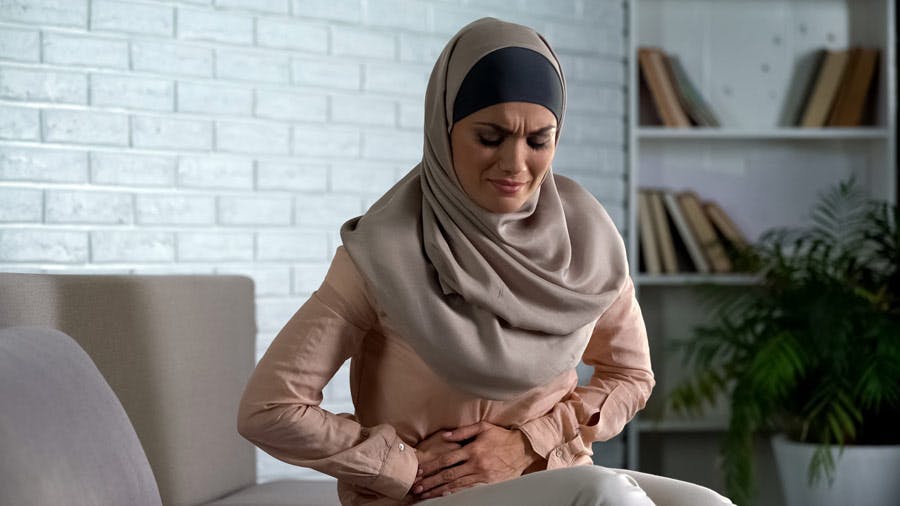
Period cramps, also known as menstrual cramps, affect millions of people each month. Whether you’re searching for what helps with period cramps, curious about what causes period cramps, or wondering how to get rid of period cramps fast, this guide explains causes, symptoms and relief options.
Key Takeaways
- Period cramps are caused by prostaglandin-triggered uterine contractions.1,2
- Relief methods may include heat therapy, yoga, massage, and OTC pain relievers like Advil.1,2,5
- Severe or persistent cramps may signal an underlying condition and require medical care.1,2
What Causes Period Cramps?
Menstrual cramps occur when a chemical called prostaglandin causes the muscles and blood vessels in your uterus to contract, or tighten up, in order to shed the uterine lining.1,2 During and immediately before your menstrual cycle, the levels of this hormone are much higher than usual, which cause the uterus to contract more strongly, which leads to cramping and discomfort.1 The prostaglandin levels return to normal levels shortly after your period starts, which is why cramping tends to subside after a few days.1
Dysmenorrhea and Period Pain
Pain associated with menstruation is referred to as dysmenorrhea.2 Many women may experience some pain during their period, but others may also experience2
- Diarrhea
- Vomiting
- Nausea
- Dizziness
- Headaches
There are two types of dysmenorrhea: primary and secondary.1,2
What is Primary Dysmenorrhea?
This is another term for the cramping that commonly accompanies a period as a result of increased prostaglandins and contracting uterine muscles.1,2
What is Secondary Dysmenorrhea
This pain during your menstrual cycle is caused by reproductive disorders and tends to worsen over time and last longer than normal menstrual cramps.2 Potential causes of secondary dysmenorrhea include:1,2
- Endometriosis – A condition where the tissue lining of your uterus grows outside the uterus. It bleeds during menstruation causing swelling, scarring and pain.
- Adenomyosis – A condition that develops when the tissue that lines the uterus begins to grow in the muscle wall of the uterus, causing the uterus to become larger than normal, and may lead to excess bleeding and pain.
- Uterine fibroids – Noncancerous growths on the inside, outside or within the walls of the uterus can cause pain.
Other causes for secondary dysmenorrhea include issues with the reproductive organs themselves and medical conditions like Crohn’s disease or urinary disorders.2
What Do Period Cramps Feel Like
Period cramps can feel a little different for everyone, but the discomfort may be described as:1,3
- A dull continuous ache
- Pressure in the abdomen
- Pain that may radiate to your hips, lower back and thighs
- A throbbing or cramping pain in the lower abdomen than can be intense
- Pain that starts 1 to 3 days before your period, peaks 24 hours after your period starts and subsides in 2-3 days
In some instances, cramps may be accompanied by other symptoms like nausea, headaches and dizziness.1 If the pain is severe, don’t hesitate to contact your healthcare provider.
Other Types of Period Pain
Not all discomfort during and around a menstrual period is the same. Other types of period-related pain may include:
- Headaches, especially menstrual migraines4
- Bodily aches and pains5
PMS vs. Period Cramps: What’s the Difference?
Premenstrual syndrome (PMS) is a term to describe the physical and emotional symptoms that you may experience before your period actually begins.5 There may be some overlap between PMS and period cramps, but generally, physical PMS symptoms should fade once your period actually starts.5
Physical Symptoms of PMS
- Bloating
- Pelvic pain
- Fatigue
- Acne
- Breast soreness
- Headaches
- Digestive issues5
Generally, the symptoms reoccur around the same time during each menstrual cycle, so if you’re not sure whether you’re experiencing symptoms of PMS or period pains, consider what else is happening with your body and how your cycle typically plays out.5 If you notice anything irregular or worrying, contact your healthcare provider.
What Helps with Period Cramps?
There are a range of options to explore for figuring out how to get rid of period cramps. What works for you may not work for someone else; talk to your doctor to figure out the right plan for you.
If PMS is getting in the way of your day-to-day life, there are some ways to manage it:5
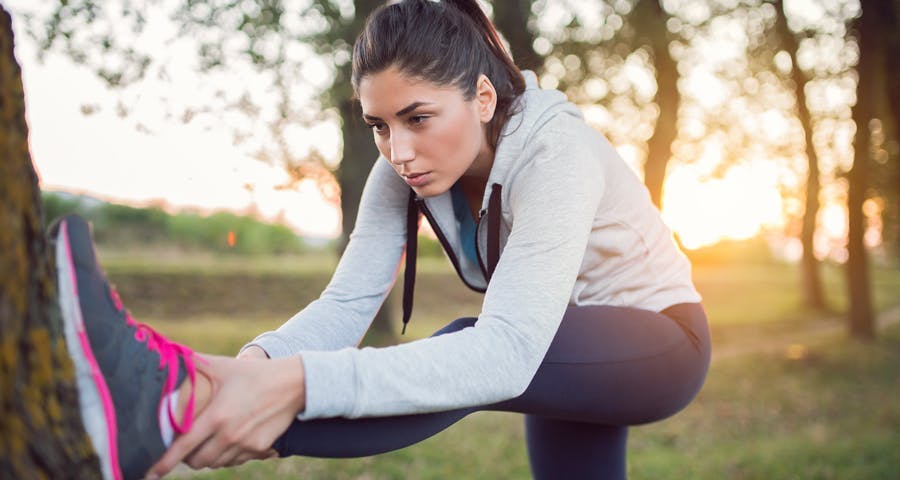
- Get some exercise. Exercise can help with depression, feeling distracted, and fatigue, which are common symptoms of PMS.
- Eat a healthy diet. You may notice yourself craving unhealthy foods before your period, such as sweet or salty snacks. Do your best to resist; instead, go for fruits, veggies and whole grains.
- Get plenty of rest. PMS might make you feel more fatigued than usual. Don’t feel guilty about sleeping in a little more than usual or squeezing in a quick cat nap in the afternoon.
Alternative Therapies for PMS and Period Cramps
People may look to alternative ways to manage pain and discomfort related to the menstrual cycle.1,5 While studies about these methods have not been conclusive about the results, people are still using them to find relief for PMS symptoms and menstrual cramps:1,2,5
- Yoga
- Acupuncture and acupressure
- Relaxation and deep breathing exercises
- Physical therapy
- Taking supplements to reduce inflammation and bloating
Vitamins and supplements aren’t regulated by the FDA; talk to your doctor before taking supplements to manage symptoms of menstrual cramps and pre-menstrual syndrome.
Medication for Menstrual Cramps and PMS
Relief for painful period cramps will most frequently come from pain relievers like NSAIDs . These drugs—of which Advil is one—work by reducing the amount of prostaglandins in your body, so that your cramps are less intense.1 Advil is the #1 pharmacist recommended ibuprofen bra nd. Try Advil Gel Caplets to manage menstrual pain, headaches, backaches and other joint pain.
Other medications may help manage menstrual pain and PMS include:1,5
- Hormonal birth control may be prescribed by your doctor as a treatment for painful periods and managing unpleasant symptoms of PMS. There are a range of options available, and finding the one that works best for you may take some trial and error.
- Diuretics can help to relieve PMS symptoms like bloating and breast tenderness.
- Antidepressants and anti-anxiety medications may be prescribed to help manage the mood-related issues that are commonly associated with PMS.
Other Ways to Manage Menstrual Cramps
Sometimes the best way to manage your period cramps doesn’t involve any medication at all. Here are a few things to try:1,2
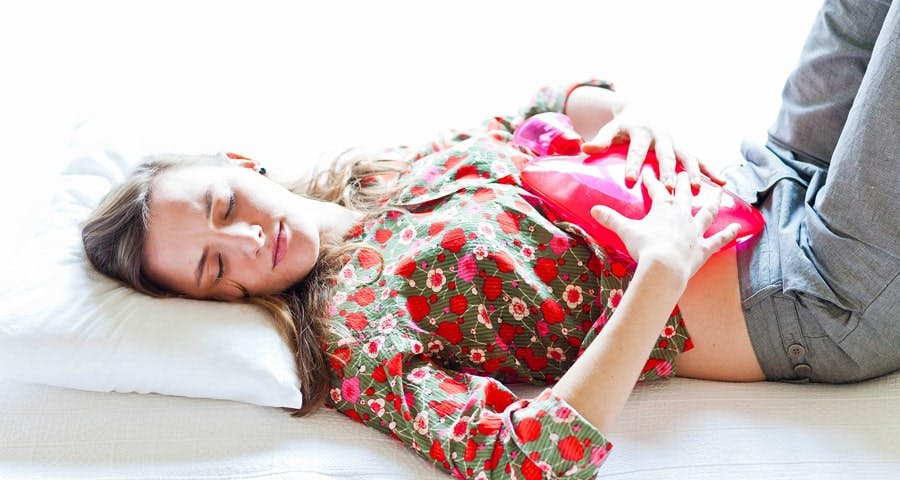
- Heat. Take a warm bath or place a heating pad or hot water bottle on your back or abdomen where you have cramps.
- Massage. A massage on your lower back or abdomen may help you find relief.
- Avoiding. Avoid foods containing caffeine, alcohol and smoking cigarettes.
- Resting. Don’t feel bad about catching up on your sleep.
- Moving. People who exercise more tend to have less menstrual pain.
When Should You See Your Doctor About Period Cramps?
If your periods are especially painful or disruptive to your ability to live your day-to-day life, you may need some form of treatment and should contact your doctor.1,2
Your doctor may ask you to keep track of your symptoms, how long they last and how they relate to the rest of your menstrual cycle.1,2 If you notice other symptoms apart from pain like headaches or heavy bleeding, you should take note of those as well.1
Menstrual cramps are common but can be manageable. By understanding what causes them and combining natural methods like heat and exercise with effective OTC relief from Advil, you can take control of your cycle and reduce discomfort every month.
Frequently Asked Questions About Period Cramps
Q: What is a menstrual migraine?
A: A menstrual migraine is a migraine headage that is directly related to fluctuations in hormone levels, specifically estrogen, during their menstrual cycle.4
Q: What helps with period cramps fast?
A: Applying heat, staying active, and taking NSAIDs like Advil can quickly reduce cramp intensity.1
Q: What causes period cramps?
A: They are caused by uterine contractions that are triggered by prostaglandins, natural chemicals that can increase pain and inflammation.1,2
Source Citations:
1. Dysmenorrhea (Menstrual Cramps). Cleveland Clinic. https://my.clevelandclinic.org/health/diseases/4148-dysmenorrhea. Accessed 9/8/25
2. Dysmenorrhea: Painful Periods. American College of Obstetricians and Gynecologists. https://www.acog.org/womens-health/faqs/Dysmenorrhea-Painful-Periods. Accessed 9/8/25.
3. Menstrual Cramps – Symptoms & Causes. Mayo Clinic. https://www.mayoclinic.org/diseases-conditions/menstrual-cramps/symptoms-causes/syc-20374938. Accessed 9/8/25.
4. Menstrual Migraine. National Headache Foundation. https://headaches.org/menstrual-migraine/. Accessed 9/8/25.
5. Premenstrual Syndrome. Cleveland Clinic. https://my.clevelandclinic.org/health/diseases/24288-pms-premenstrual-syndrome. Accessed 9/8/25.
By clicking the link(s) above, you will be taken to an external website that is independently operated and not managed by Haleon. Haleon assumes no responsibility for the content on the website. If you do not wish to leave this website, do not click on the links above.
Symptoms & Tips